The Essential Guide to Diagnosing Air Conditioning Problems: Your First Step to Effective Air Conditioner Repair
Learn how to effectively diagnose air conditioning problems and perform essential air conditioner repairs for optimal cooling performance.
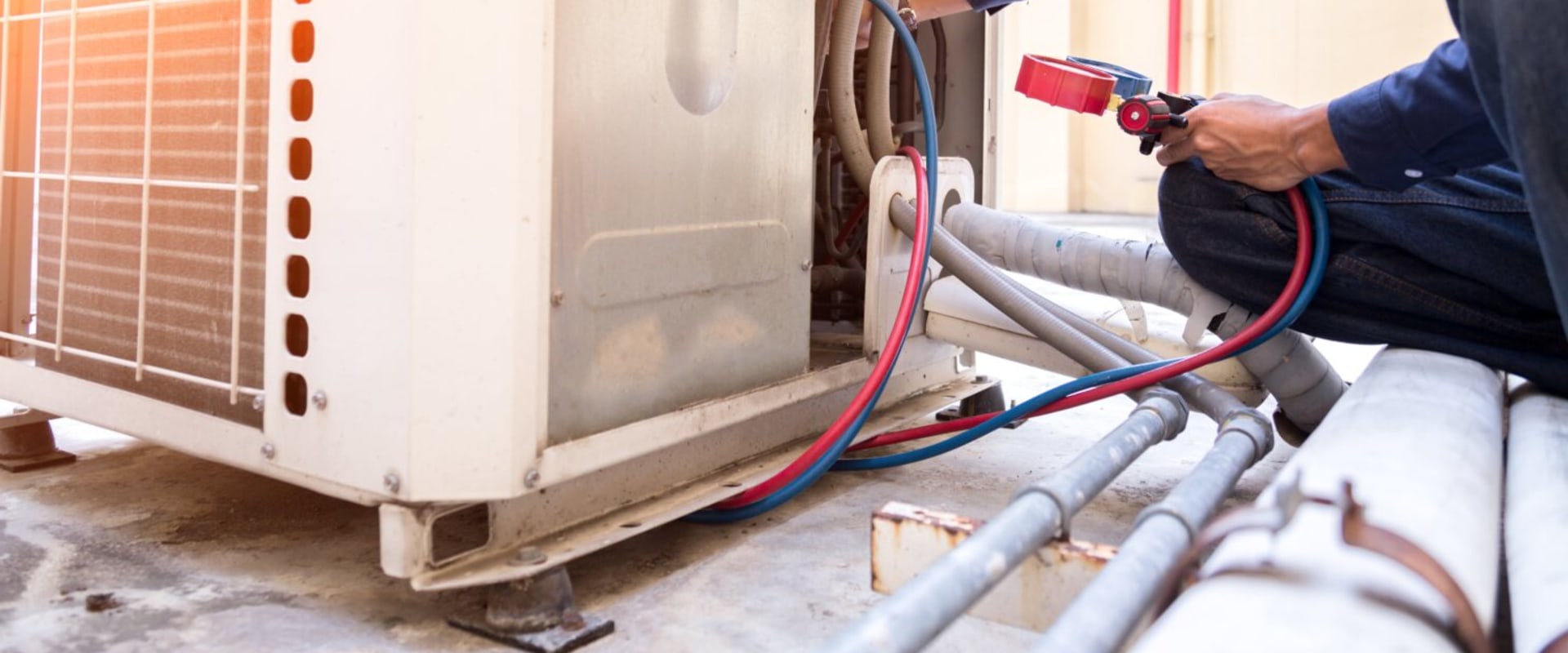
To effectively diagnose and repair air conditioning issues, it is essential to first understand the fundamental workings of air conditioning systems. These systems are designed to regulate indoor temperatures by removing heat and humidity from the air, creating a comfortable environment in homes and businesses alike. At their core, air conditioners operate on the principles of thermodynamics, utilizing a refrigerant that absorbs and releases heat as it circulates through the system. Every air conditioning unit consists of several key components that work together to achieve efficient cooling. The primary elements include the compressor , condenser , evaporator , and expansion valve.
The compressor pumps the refrigerant through the system, raising its pressure and temperature. This high-pressure gas then moves to the condenser, where it releases heat to the outside air and transforms into a liquid. The liquid refrigerant then travels to the expansion valve, which reduces its pressure, allowing it to evaporate in the evaporator coil. As it evaporates, it absorbs heat from the indoor air, effectively cooling it before circulating back into your living space. Understanding these components is crucial for anyone looking to troubleshoot or perform air conditioner repair.
Each part plays a vital role in maintaining optimal performance, and any malfunction can lead to decreased efficiency or complete system failure. For instance, if the compressor fails, the entire cooling process is disrupted. Similarly, issues with the evaporator or condenser can prevent proper heat exchange, leading to inadequate cooling. By familiarizing yourself with how air conditioners work and their essential components, you will be better equipped to identify potential problems when they arise. This foundational knowledge not only aids in effective troubleshooting but also empowers homeowners to make informed decisions regarding maintenance and repairs.
Common Signs of Air Conditioning Problems
Recognizing the signs of air conditioning problems early can save you from costly repairs and ensure your home remains comfortable during the sweltering summer months.Here are some common symptoms that indicate your air conditioning system may be in distress:
- Inadequate Cooling: One of the most obvious signs that your air conditioner is malfunctioning is when it fails to cool your home effectively. If you notice that the air coming from the vents is warm or not as cool as it used to be, this could indicate low refrigerant levels, a dirty air filter, or issues with the compressor.
- Unusual Noises: Air conditioners are designed to operate quietly. If you hear strange sounds such as grinding, squealing, or banging, it could signal a mechanical issue. For instance, a grinding noise might indicate that the motor bearings are worn out, while a banging sound could suggest that internal components are loose or damaged.
- Strange Odors: Foul smells emanating from your air conditioning unit can be a cause for concern.
A musty odor may indicate mold growth within the system, while a burning smell could suggest electrical issues or overheating components. Both situations require immediate attention to prevent further damage.
- Frequent Cycling: If your air conditioner frequently turns on and off (a phenomenon known as short cycling), it may be struggling to maintain the desired temperature. This can lead to increased wear and tear on the system and higher energy bills.
- Increased Humidity: An efficient air conditioning system should help reduce humidity levels in your home. If you notice that your living space feels more humid than usual, it could mean that your AC is not functioning properly and is unable to remove moisture from the air.
- Water Leaks: Puddles of water around your air conditioning unit can indicate a clogged drain line or a refrigerant leak.
Both issues can lead to significant damage if not addressed promptly.
The First Step: Initial Evaluation
When it comes to diagnosing air conditioning issues, the initial evaluation is a critical first step. This process not only helps identify the problem but also sets the stage for effective air conditioner repair.Here’s how to conduct a thorough initial evaluation of your air conditioning system.
1.Check the Power Supply
- Ensure that your air conditioning unit is receiving power. Check the circuit breaker to see if it has tripped. If it has, reset it and observe if the unit starts functioning again.
- Inspect the power cord for any visible damage or fraying. A damaged cord can prevent your AC from operating properly.
2.Thermostat Settings
- Verify that the thermostat is set to a temperature lower than the current room temperature.
Sometimes, simple adjustments can resolve cooling issues.
- Check if the thermostat is functioning correctly. If it’s battery-operated, replace the batteries to ensure accurate readings.
3.Inspect for Visible Issues
- Look for any obvious signs of damage or wear on your air conditioning unit, including rust, leaks, or debris blocking airflow.
- Examine the air filters; dirty or clogged filters can significantly reduce efficiency and airflow. If they appear dirty, replace them immediately.
4.Listen for Unusual Noises
- Pay attention to any strange sounds coming from your AC unit, such as grinding, squealing, or hissing. These noises can indicate mechanical issues that require further investigation.
5.Assess Airflow
- Check the vents in your home to ensure they are open and unobstructed.
Blocked vents can lead to uneven cooling and increased energy consumption.
- If you notice weak airflow from the vents, this could signal a problem with the blower fan or ductwork.
Checking the Condenser Fan and Evaporator Fan
When diagnosing air conditioning issues, one of the most critical components to check is the condenser fan. This fan plays a vital role in dissipating heat from the refrigerant, allowing your air conditioning system to cool your home effectively.If the condenser fan is not functioning properly, it can lead to inadequate cooling and increased energy consumption. To check the condenser fan, follow these steps:
- Turn off the power: Before performing any checks, ensure that the power to the air conditioning unit is turned off at the circuit breaker to avoid any electrical hazards.
- Inspect the fan blades: Remove any debris or obstructions around the fan blades. Look for signs of damage or wear, such as bent blades or rust.
- Test the fan operation: Restore power to the unit and turn on the air conditioning. Observe if the condenser fan starts spinning immediately. If it does not, there may be an issue with the motor, capacitor, or electrical connections.
- Listen for unusual noises: While the fan is running, listen for any grinding or rattling sounds that could indicate mechanical problems.
- Faulty motor: A malfunctioning motor can prevent the fan from spinning.
In this case, replacement may be necessary.
- Capacitor failure: The capacitor provides the initial boost of energy needed to start the motor. If it fails, the fan may not start at all.
- Electrical issues: Check for loose or damaged wiring that could disrupt power flow to the fan.
- Turn off power: As with the condenser fan, ensure that power is turned off before inspection.
- Access the evaporator unit: Depending on your system, you may need to remove a panel to access the evaporator fan.
- Inspect and test: Check for any obstructions around the fan and ensure it spins freely.
Restore power and turn on your AC to see if it operates correctly.
- Motor failure: Similar to the condenser fan, a faulty motor can prevent operation.
- Dirt buildup: Dust and debris can accumulate on the blades and hinder performance. Regular cleaning can help maintain efficiency.
- Control board issues: Problems with the control board can affect how and when the evaporator fan operates.
Inspecting Electrical Components
When it comes to diagnosing air conditioning problems, electrical issues are often at the forefront. These problems can manifest in various ways, from a complete system failure to intermittent cooling.Therefore, inspecting the electrical components of your air conditioning unit is a critical step in the troubleshooting process. Start by ensuring your safety. Before you begin any inspection, turn off the power to your air conditioning unit at the circuit breaker. This precaution will help prevent any electrical shocks while you work on the system. Once the power is off, you can begin your inspection by checking the wiring. Look for any visible signs of wear or damage, such as frayed wires or burnt connections.
If you notice any issues, it’s essential to address them immediately, as damaged wiring can lead to further complications or even fire hazards. Next, examine the fuses and circuit breakers. A blown fuse or tripped breaker is a common reason for an air conditioner to stop functioning. If you find a blown fuse, replace it with one of the same amperage. For circuit breakers, simply reset them and see if that resolves the issue.
If the breaker trips again, this could indicate a more serious problem that requires professional attention. Another critical component to inspect is the relay switch. This switch controls the power flow to various parts of your air conditioning system. If it’s malfunctioning, it may prevent your unit from turning on or cause it to shut off unexpectedly. To test the relay switch, you may need a multimeter to check for continuity.
If there’s no continuity, replacing the relay switch is necessary. In addition to these components, pay attention to any unusual sounds or smells coming from your air conditioning unit. A burning smell could indicate overheating wires or components, while buzzing noises might suggest electrical arcing. Both situations require immediate investigation and potentially professional repair. By thoroughly inspecting these electrical components and recognizing signs of failure early on, you can save yourself time and money in repairs. If you’re unsure about any aspect of this process or if you encounter complex issues, don’t hesitate to contact a qualified technician for assistance.
Assessing Refrigerant Levels and Leaks
Maintaining proper refrigerant levels is essential for the efficient operation of your air conditioning system.Refrigerant is the fluid responsible for absorbing heat from your home and releasing it outside, making it a critical component in the cooling process. If your air conditioner is low on refrigerant, it can lead to a range of issues that not only affect comfort but can also cause long-term damage to the unit.
Symptoms of Low Refrigerant
- Reduced Cooling Efficiency: One of the first signs that your air conditioner may be low on refrigerant is a noticeable decrease in cooling performance. If the air blowing from your vents is warm or not as cool as it should be, this could indicate insufficient refrigerant levels.
- Ice Formation: Another common symptom is ice forming on the evaporator coils. When refrigerant levels drop, the pressure in the system decreases, causing the coils to become too cold and freeze over.
This can lead to further complications if not addressed promptly.
- Increased Energy Bills: If you notice a spike in your energy bills without any change in usage, it could be due to your air conditioner working harder to compensate for low refrigerant levels.
- Hissing or Bubbling Sounds: Unusual noises coming from your AC unit, such as hissing or bubbling, may indicate a refrigerant leak. These sounds occur when refrigerant escapes from the system.
Checking for Refrigerant Leaks
Identifying and addressing refrigerant leaks is crucial for maintaining optimal performance. Here are some steps to check for leaks:
- Visual Inspection: Start by inspecting the outdoor unit and connecting lines for any signs of oil residue or frost, which can indicate a leak.
- Use of Soapy Water: Mix soap and water in a spray bottle and apply it to suspected areas. If bubbles form, this indicates escaping refrigerant.
- Professional Leak Detection: For more complex systems or if you suspect a leak but cannot find it, consider hiring a professional technician who can use specialized tools to detect leaks accurately.
Regular maintenance checks can help catch these issues early, preventing costly repairs down the line.
Cleaning and Maintaining Your Air Conditioner
Proper maintenance of your air conditioning unit is essential for ensuring its longevity and efficiency. Regular upkeep not only helps in preventing unexpected breakdowns but also enhances the overall performance of your HVAC system. Here are some key maintenance tips to keep your air conditioner running smoothly:- Clean the Coils: The evaporator and condenser coils in your air conditioning unit can accumulate dirt over time. This buildup can hinder the heat exchange process, making your system work harder and consume more energy.
To clean the coils, turn off the power to the unit, remove any debris around the coils, and gently wash them with a soft brush or cloth. For more stubborn dirt, a mixture of water and mild detergent can be used.
- Check and Replace Filters: Air filters play a crucial role in maintaining airflow and improving indoor air quality. Clogged filters can restrict airflow, causing your system to work inefficiently. Check your filters monthly and replace them every 1-3 months, depending on usage and filter type.
A clean filter not only improves efficiency but also prolongs the life of your air conditioner.
- Maintain Airflow: Ensure that all vents and registers are unobstructed by furniture or other objects. Proper airflow is vital for efficient cooling. Additionally, consider scheduling regular duct cleaning to remove dust and debris that can accumulate in your ductwork.
- Inspect the Drain Line: The condensate drain line can become clogged with algae or mold, leading to water damage and increased humidity levels in your home. Periodically check the drain line for blockages and clear any obstructions using a wet/dry vacuum or a plumber's snake.
- Schedule Professional Maintenance: While DIY maintenance is important, having a professional technician inspect your system at least once a year is crucial.
They can perform comprehensive checks, including refrigerant levels, electrical connections, and overall system performance.
When to Call a Professional Technician
Understanding when to call a professional technician for air conditioner repair is essential for maintaining the efficiency and longevity of your cooling system. While some minor issues can be resolved with basic troubleshooting, there are specific signs that indicate the need for expert intervention.1.Persistent Cooling Issues
If your air conditioner is struggling to maintain a comfortable temperature despite regular maintenance, it may be time to seek professional help. This could indicate a more serious problem, such as:
- Low refrigerant levels due to leaks
- Faulty compressor or condenser
- Malfunctioning thermostat
2.Unusual Noises
Strange sounds coming from your air conditioning unit can be a red flag.
If you hear:
- Banging or clanking noises, which may suggest loose or broken components
- Squealing sounds, indicating worn-out belts or bearings
- Hissing noises, often associated with refrigerant leaks
3.Foul Odors
If you notice unpleasant smells emanating from your air conditioning system, it could signify mold growth or electrical issues. A professional technician can diagnose the source of the odor and recommend appropriate solutions.
4.Frequent Cycling
If your air conditioner frequently turns on and off (a phenomenon known as short cycling), it may be due to:
- A malfunctioning thermostat
- Improperly sized unit for your space
- Electrical issues that require expert evaluation
5.High Energy Bills
A sudden spike in your energy bills without a corresponding increase in usage can indicate inefficiencies in your air conditioning system. A professional can perform an energy audit and identify areas for improvement.
6.Age of the Unit
If your air conditioner is over 10-15 years old and experiencing multiple issues, it may be more cost-effective to replace it rather than continue with repairs. A technician can provide guidance on whether repair or replacement is the best option. In summary, recognizing these signs early can save you time and money in the long run.
When in doubt, don’t hesitate to contact a professional for air conditioner repair. Their expertise will ensure that your system operates efficiently and effectively, keeping your home comfortable during those hot summer months.
Conclusion: Taking Action on Air Conditioning Issues
In conclusion, addressing air conditioning issues promptly and effectively is essential for maintaining a comfortable living environment. Throughout this article, we have explored the critical first steps in diagnosing problems with your air conditioning system. By understanding the importance of checking components such as the condenser fan, evaporator fan, and airflow pathways, you can significantly enhance your ability to identify and resolve issues before they escalate. It is vital to remember that regular maintenance plays a crucial role in preventing many common air conditioning problems.Simple tasks like cleaning the coils, ensuring proper airflow through intake and supply grilles, and checking coolant levels can extend the lifespan of your unit and improve its efficiency. By taking these proactive measures, you not only save money on potential repairs but also ensure that your air conditioner operates at peak performance during the hottest months. Moreover, if you encounter persistent issues despite your best efforts, do not hesitate to seek professional help. Experienced technicians can provide a thorough evaluation and offer solutions tailored to your specific situation. Remember that timely intervention can prevent minor problems from turning into costly repairs. As you move forward, keep in mind the following key points:
- Regular Maintenance: Schedule routine check-ups to keep your system running smoothly.
- Initial Diagnostics: Always start with basic checks like power supply and thermostat settings.
- Professional Assistance: Don’t hesitate to call in experts when needed.
- Stay Informed: Educate yourself about your air conditioning system to better understand its needs.
Embrace these practices not just as a response to problems but as part of a comprehensive approach to home comfort. Your diligence today will pay off in the form of a cooler, more comfortable home tomorrow.
More articles
Understanding the Most Common Causes of Air Conditioner Unit Failure
Discover the most common causes of air conditioner failure and learn how to prevent costly repairs with proper maintenance.
The Costly Truth About AC Unit Repairs: Understanding Air Conditioner Repair Costs and Prevention
Discover the truth about air conditioner repair costs and how to prevent expensive issues. Learn essential maintenance tips for your HVAC system.
Why Replacing Your HVAC System Before 2023 is a Smart Move
Discover why replacing your HVAC system before 2023 is essential for efficiency, comfort, and cost savings. Learn the signs and options available.
Understanding the Lifespan of Your Air Conditioner: Key Factors and Maintenance Tips
Discover how long your air conditioner can last and learn essential maintenance tips to extend its lifespan and efficiency.