The Essential Guide to Regular Air Conditioner Maintenance: Why It Matters for Repair and Longevity
Discover the importance of regular air conditioner maintenance for efficiency, longevity, and avoiding costly repairs.
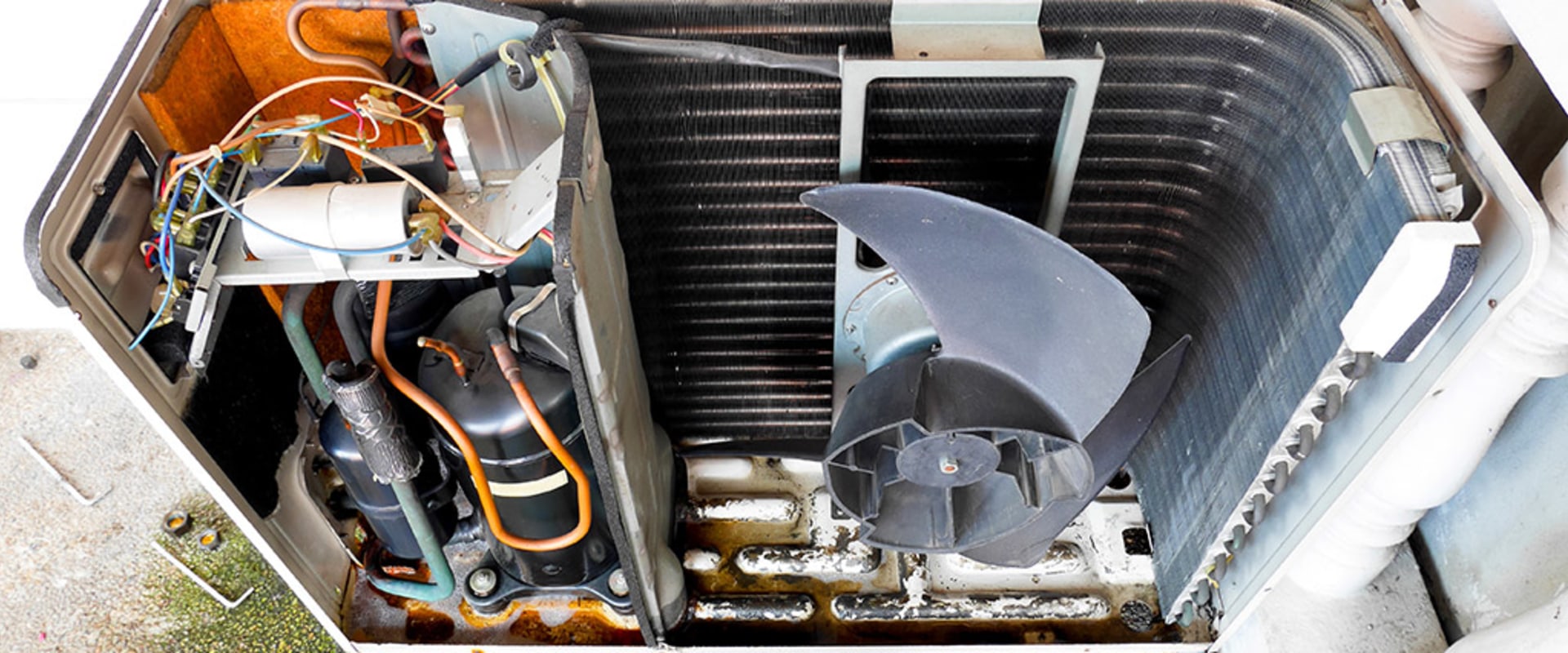
To fully appreciate the significance of regular maintenance for your air conditioner, it is essential to understand the basic components and functioning of these systems. An air conditioner operates on a straightforward principle: it removes heat from the indoor air and expels it outside, thereby cooling your living space. This process involves several key components, each playing a vital role in ensuring efficient operation. The primary components of an air conditioning system include the compressor, condenser, evaporator coil, and expansion valve. The To fully appreciate the significance of regular maintenance for your air conditioner, it is essential to understand the basic components and functioning of these systems. An air conditioner operates on a straightforward principle: it removes heat from the indoor air and expels it outside, thereby cooling your living space. This process involves several key components, each playing a vital role in ensuring efficient operation. The primary components of an air conditioning system include the compressor, condenser, evaporator coil, and expansion valve. The compressor acts as the heart of the system, circulating refrigerant through the system and compressing it to increase its temperature and pressure.
The condenser , located outside your home, dissipates heat from the refrigerant, allowing it to cool down and change from a gas to a liquid. Meanwhile, the evaporator coil , situated indoors, absorbs heat from the air inside your home, causing the refrigerant to evaporate back into a gas. Finally, the expansion valve regulates the flow of refrigerant into the evaporator coil, ensuring that the system operates efficiently. Understanding how these components work together is crucial for recognizing why regular maintenance is necessary. Over time, dirt and debris can accumulate on these parts, leading to reduced efficiency and potential breakdowns.
For instance, a dirty evaporator coil can hinder heat absorption, forcing your air conditioner to work harder and consume more energy. Similarly, neglecting to clean or replace air filters can restrict airflow, causing strain on the entire system. By familiarizing yourself with these components and their functions, you can better appreciate how routine maintenance not only prolongs the lifespan of your air conditioner but also enhances its performance and energy efficiency.
The Consequences of Neglecting Maintenance
Neglecting regular maintenance for your air conditioner can lead to a cascade of problems that not only affect the unit's performance but also your overall comfort and finances. Understanding the consequences of neglecting air conditioner maintenance is crucial for any homeowner or business owner. One of the most immediate effects of skipping maintenance is a noticeable decrease in efficiency.When components such as filters, coils, and fins are not cleaned or replaced regularly, they can become clogged with dust and debris. This buildup forces the air conditioner to work harder to cool your space, leading to:
- Increased energy consumption: A unit that struggles to operate efficiently will draw more power, resulting in higher energy bills.
- Shortened lifespan: Overworking the system can lead to premature wear and tear, ultimately shortening the lifespan of your air conditioner.
For example:
- Electrical failures: Loose connections or worn-out components can lead to electrical malfunctions that may require extensive repairs.
- Water damage: Clogged drain lines can cause water to back up and leak into your home, leading to mold growth and structural damage.
- Unusual noises: Grinding or squealing sounds may indicate mechanical problems.
- Ineffective cooling: If certain rooms are warmer than others or if the unit runs continuously without achieving the desired temperature, it may be time for a check-up.
- Increased humidity: An air conditioner that fails to remove humidity effectively may signal a malfunctioning system.
Common Air Conditioner Problems Due to Lack of Maintenance
Regular maintenance of your air conditioning system is essential to prevent a range of common issues that can arise from neglect. Understanding these problems can help homeowners and business owners appreciate the importance of routine upkeep.-
Refrigerant Leaks: One of the most critical issues that can occur is a refrigerant leak.
Refrigerant is essential for cooling your home, and when it leaks, your air conditioner has to work harder to maintain the desired temperature. This not only leads to increased energy bills but can also cause the compressor to fail, resulting in costly air conditioner repair.
-
Dirty Filters: Clogged or dirty air filters are another common problem that arises from lack of maintenance. When filters are not changed regularly, they restrict airflow, making your system less efficient. This can lead to overheating and increased wear on the components, ultimately shortening the lifespan of your unit.
Regularly replacing or cleaning filters can significantly improve performance and indoor air quality.
- Fan Problems: The fan plays a crucial role in circulating air throughout your home. If the fan is dirty or malfunctioning, it can lead to inadequate cooling and increased strain on the system. This can result in higher energy consumption and potential breakdowns. Regular maintenance ensures that fans are clean and functioning properly.
-
Drainage Issues: Air conditioners remove humidity from the air, which is collected in a drainage pan.
If this pan becomes clogged or damaged, it can lead to water leaks and potential water damage in your home. Regular checks and cleaning of the drainage system can prevent these issues.
- Electrical Failures: Over time, electrical connections can become loose or corroded due to heat and moisture. Neglecting maintenance can lead to electrical failures that may cause your air conditioner to stop working altogether. Regular inspections help identify these issues before they escalate.
Scheduling regular maintenance services is a proactive approach that saves you money and extends the life of your air conditioning system.
Benefits of Regular Air Conditioner Maintenance
Regular maintenance of your air conditioner is not just a good practice; it is essential for ensuring optimal performance and longevity of the unit. Here are some of the key benefits that come with prioritizing routine maintenance:- Improved Energy Efficiency: One of the most significant advantages of regular air conditioner maintenance is enhanced energy efficiency. A well-maintained unit operates more smoothly, consuming less energy to achieve the desired cooling effect. This can lead to noticeable savings on your energy bills, making it a financially wise decision.
-
Extended Lifespan: Just like any other appliance, your air conditioner has a finite lifespan.
However, with consistent maintenance, you can significantly extend its operational life. Regular check-ups help identify and rectify minor issues before they escalate into major problems that could necessitate costly repairs or even a complete replacement.
-
Enhanced Indoor Air Quality: Your air conditioning system plays a crucial role in maintaining indoor air quality. Over time, dust, allergens, and pollutants can accumulate in the system. Regular maintenance includes cleaning or replacing filters, which helps to ensure that the air circulating in your home is clean and healthy.
This is particularly important for individuals with allergies or respiratory issues.
- Prevention of Costly Repairs: By scheduling regular maintenance, you can catch potential issues early on. This proactive approach can save you from unexpected breakdowns and expensive repairs down the line. A small investment in routine service can prevent larger financial burdens in the future.
- Consistent Comfort: Regular maintenance ensures that your air conditioner operates at peak performance, providing consistent cooling throughout your home. This reliability is especially important during the hot summer months when you depend on your AC to keep your living space comfortable.
From improved energy efficiency and extended lifespan to enhanced indoor air quality and prevention of costly repairs, prioritizing routine service is a smart choice for any homeowner or business owner. By investing in regular maintenance, you not only protect your investment but also ensure a comfortable and healthy environment for yourself and your family.
How Often Should You Schedule Maintenance?
Determining how often to schedule maintenance for your air conditioner is crucial for ensuring its efficiency and longevity. The frequency of maintenance can vary based on several factors, including the type of system you have, how often it is used, and the environmental conditions in your area.General Recommendations
- For most residential air conditioning systems, it is recommended to schedule maintenance at least once a year. This annual check-up typically occurs in the spring before the cooling season begins.
- If you live in an area with extreme temperatures or high humidity, consider increasing the frequency to twice a year.
This ensures that your system can handle the additional strain placed on it during peak usage times.
Usage Considerations
The way you use your air conditioner can also dictate how often you should have it serviced. For example:
- If your air conditioner runs continuously due to high demand, such as in a commercial setting or during particularly hot summers, more frequent maintenance may be necessary.
- For units that are used sporadically or only during certain seasons, annual maintenance may suffice.
Environmental Factors
Environmental conditions play a significant role in determining maintenance frequency:
- If you live in a dusty area or near construction sites, dirt and debris can accumulate in your system more quickly, necessitating more frequent cleaning and checks.
- Homes with pets may also require more regular maintenance due to pet hair and dander affecting air filters and overall system performance.
Conclusion
In summary, while an annual maintenance schedule is a good baseline for most homeowners, factors such as usage patterns and environmental conditions should guide your specific needs. Regularly assessing these elements will help you maintain optimal performance and avoid costly air conditioner repairs.
DIY Maintenance Tips for Homeowners
Maintaining your air conditioner doesn’t have to be a daunting task. With a few simple DIY maintenance tips, homeowners can ensure their units run efficiently and effectively between professional services.Here are some practical steps you can take to keep your air conditioning system in top shape:
- Regularly Change or Clean Filters: One of the easiest and most effective ways to maintain your air conditioner is by changing or cleaning the filters every 1-3 months. Clogged filters restrict airflow, making your system work harder and potentially leading to costly air conditioner repair issues.
- Inspect the Condenser Unit: The outdoor condenser unit should be free of debris such as leaves, dirt, and grass clippings. Regularly check the area around the unit and clear any obstructions to ensure proper airflow.
- Check the Thermostat Settings: Ensure that your thermostat is functioning correctly. Consider upgrading to a programmable thermostat for better energy efficiency and convenience.
-
Clean the Coils: Dust and dirt can accumulate on the evaporator and condenser coils, reducing their efficiency.
Use a soft brush or a vacuum with a brush attachment to gently clean these coils at least once a year.
- Inspect Ductwork: Look for any visible signs of wear or leaks in your ductwork. Sealing leaks can improve efficiency and reduce energy costs significantly.
- Clear the Drain Line: A clogged drain line can lead to water damage and increased humidity levels in your home. Use a wet/dry vacuum to clear any blockages from the drain line.
Make these maintenance tasks a part of your routine, and enjoy a cooler, more efficient home all summer long!
When to Call a Professional for Air Conditioner Repair
Recognizing when to call a professional for air conditioner repair is crucial for maintaining the efficiency and longevity of your cooling system. While some minor issues can be addressed with DIY solutions, there are specific signs that indicate the need for expert intervention.Signs You Need Professional Help
- Unusual Noises: If your air conditioner starts making strange sounds such as grinding, squealing, or banging, it could signal a serious mechanical issue. These noises often indicate that components are worn out or misaligned, which requires a technician's expertise to diagnose and fix.
- Inconsistent Temperatures: If certain rooms in your home are significantly warmer or cooler than others, it may be due to ductwork issues or a failing compressor. A professional can assess the system and ensure even cooling throughout your space.
-
Increased Energy Bills: A sudden spike in your energy bills without a corresponding increase in usage can indicate that your air conditioner is working harder than it should.
This inefficiency often stems from underlying problems that need professional evaluation.
- Foul Odors: Unpleasant smells emanating from your air conditioning unit can be a sign of mold growth or electrical issues. Both situations pose health risks and require immediate attention from a qualified technician.
- Water Leaks: If you notice water pooling around your air conditioning unit, it could indicate a refrigerant leak or a clogged drain line. Both issues can lead to significant damage if not addressed promptly by a professional.
Professional Air Conditioner Repair Indicators
When you observe any of the signs mentioned above, it's essential to act quickly. Delaying repairs can lead to more extensive damage and costly replacements.Here are some indicators that you should reach out to an HVAC professional:
- Age of the Unit: If your air conditioner is over 10 years old and experiencing frequent issues, it may be time to consult with a professional about potential replacement options.
- Lack of Maintenance: If you haven't had regular maintenance performed on your unit, it's wise to schedule an inspection. Professionals can identify hidden problems that may not be immediately apparent.
- Frequent Repairs: If you find yourself calling for repairs multiple times within a short period, it’s often more cost-effective to invest in a new system rather than continuing to patch up an aging unit.
Frequently Asked Questions About Air Conditioner Maintenance
Maintaining your air conditioner is essential for its efficiency and longevity. Here are some frequently asked questions regarding air conditioner maintenance that can help you understand the importance of regular care and the common issues that may arise.What are the signs that my air conditioner needs maintenance?
There are several indicators that your air conditioner may require maintenance:- Unusual noises: If you hear grinding, squealing, or banging sounds, it could indicate a mechanical issue.
- Inconsistent temperatures: If some rooms are cooler than others, it may be a sign of duct issues or a failing compressor.
- Increased energy bills: A sudden spike in your energy costs can suggest that your unit is working harder than it should due to inefficiencies.
- Foul odors: Musty or burning smells can indicate mold growth or electrical problems within the unit.
How often should I schedule maintenance for my air conditioner?
It is generally recommended to have your air conditioner serviced at least once a year, ideally before the cooling season begins.This proactive approach allows technicians to identify and address potential issues before they escalate into costly repairs.
Can I perform maintenance on my air conditioner myself?
While some basic maintenance tasks can be done by homeowners, such as changing filters and cleaning the outdoor unit, it is advisable to hire a professional for comprehensive inspections and repairs. Professionals have the expertise to identify hidden problems and ensure that your system operates safely and efficiently.What should I expect during a professional maintenance visit?
A typical maintenance visit includes:- Inspection of components: Technicians will check the compressor, evaporator coil, condenser coil, and other critical parts for wear and tear.
- Cleansing: They will clean coils and drain lines to prevent clogs and improve airflow.
- Refrigerant levels: The technician will check refrigerant levels and look for leaks that could affect performance.
- System testing: After servicing, they will test the system to ensure it operates correctly.
Conclusion: The Importance of Regular Maintenance for Your Air Conditioner
In conclusion, the significance of regular maintenance for your air conditioner cannot be overstated. As we have explored throughout this article, neglecting routine upkeep can lead to a myriad of issues that not only compromise the efficiency of your unit but also its longevity.By investing time and resources into regular maintenance, you are essentially safeguarding your air conditioning system against potential failures and costly air conditioner repair bills. To summarize the key points discussed:
- Enhanced Efficiency: Regular maintenance ensures that your air conditioner operates at peak efficiency. This means lower energy bills and a reduced environmental footprint.
- Prolonged Lifespan: Just like any other mechanical system, an air conditioner benefits from consistent care. Routine checks can extend its lifespan significantly, allowing you to get the most out of your investment.
- Prevention of Major Issues: Many common problems, such as refrigerant leaks or fan malfunctions, can be identified and resolved during maintenance visits before they escalate into major repairs.
- Improved Air Quality: A well-maintained air conditioning system contributes to better indoor air quality by effectively filtering out dust, allergens, and other pollutants.
- Peace of Mind: Knowing that your air conditioning unit is in good working order provides peace of mind, especially during the sweltering summer months when you rely on it the most.
More articles
Understanding the Lifespan of HVAC Systems: Key Factors and Maintenance Tips
Discover how long HVAC systems last and learn essential maintenance tips to extend their lifespan and improve efficiency.
Is It Time to Replace Your 15-Year-Old HVAC System? A Comprehensive Guide
Is your HVAC system over 15 years old? Discover signs it's time for a replacement and the benefits of modern energy-efficient units.

Understanding the Impact of HVAC Systems on Home Value: The Role of Air Conditioner Repair
Discover how HVAC systems, especially air conditioner repair, impact your home's value and marketability in today's real estate market.
Understanding the Top Reasons for HVAC System Failures and How to Avoid Them
Discover the top reasons for HVAC system failures and learn how to prevent costly air conditioner repairs with our expert tips.