When to Replace Your HVAC System: Key Signs and Considerations
Discover key signs that indicate when it's time to replace your HVAC system and ensure your home remains comfortable and energy-efficient.
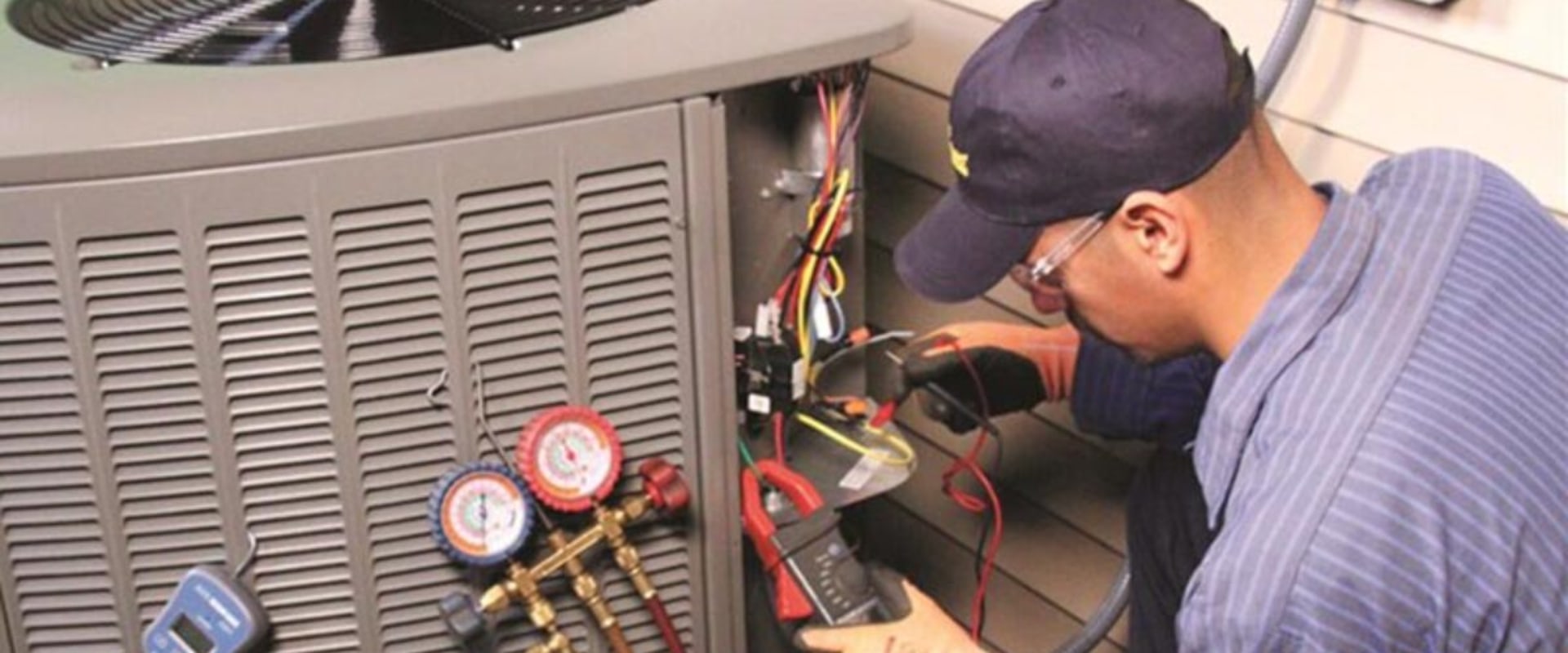
Your HVAC system plays a crucial role in maintaining a comfortable living environment, especially during extreme weather conditions. Whether it’s the sweltering heat of summer or the biting cold of winter, your heating, ventilation, and air conditioning (HVAC) system ensures that your home remains a sanctuary. However, like any mechanical system, HVAC units have a finite lifespan and will eventually require replacement. Understanding the typical lifespan of your HVAC system is essential for homeowners to make informed decisions about maintenance and potential replacements. Most HVAC systems are designed to last between 10 to 20 years, depending on various factors such as usage, maintenance, and the quality of the unit itself.
Regular maintenance can significantly extend the life of your system, but even with diligent care, wear and tear will accumulate over time. As systems age, they may become less efficient, leading to increased energy costs and more frequent air conditioner repair needs. This is where understanding when to replace your HVAC system becomes critical. Recognizing the signs that indicate it may be time for a replacement can save you from unexpected breakdowns and costly repairs. Homeowners should be vigilant about changes in their HVAC system's performance.
If you notice inconsistent temperatures throughout your home or if your energy bills have skyrocketed without a corresponding increase in usage, these could be red flags signaling that your system is struggling to keep up with your needs. Additionally, if you find yourself calling for air conditioner repair more frequently than before, it might be time to consider investing in a new unit. In this article, we will delve deeper into the factors that influence the lifespan of HVAC systems and provide guidance on how to determine when it’s time to replace yours. By understanding these elements, you can ensure that your home remains comfortable year-round while also making financially sound decisions regarding your HVAC investment.
Signs That Indicate It's Time for a Replacement
Recognizing the signs that indicate it may be time to replace your HVAC system is crucial for maintaining a comfortable and energy-efficient home. Here are some key indicators to watch for:- Age of the System: If your HVAC system is over 10-15 years old, it may be nearing the end of its lifespan.
Even if it seems to be functioning well, older systems often lack the efficiency of newer models, leading to higher energy bills.
- Frequent Repairs: If you find yourself calling for air conditioner repair more often than usual, it could be a sign that your system is failing. Frequent breakdowns not only disrupt your comfort but can also add up in repair costs, making replacement a more economical choice.
- Inconsistent Temperatures: Are some rooms in your home significantly warmer or cooler than others? This inconsistency can indicate that your HVAC system is struggling to maintain an even temperature throughout your home, which may warrant a replacement.
- Rising Energy Bills: If you notice a sudden spike in your energy bills without any changes in usage, it could be due to an inefficient HVAC system. Older units often consume more energy to produce the same level of comfort as newer, more efficient models.
- Noisy Operation: Unusual noises such as banging, clanking, or hissing can signal serious issues within your HVAC system. While some sounds may be fixable, persistent noise problems can indicate that the unit is on its last legs.
- Humidity Issues: An effective HVAC system should help regulate humidity levels in your home.
If you find that your home feels excessively humid or dry, it may be time to consider a replacement.
- Foul Odors: Strange smells emanating from your HVAC system can indicate mold growth or electrical issues. If cleaning or repairs do not resolve these odors, replacing the unit might be necessary for safety and health reasons.
The Age of Your HVAC System: A Critical Factor
The age of your HVAC system is one of the most significant factors to consider when evaluating whether it’s time for a replacement. Generally, HVAC systems have a lifespan of about 10 to 15 years, depending on the type and model.As your system ages, its efficiency tends to decline, leading to increased energy consumption and higher utility bills. When assessing the age of your HVAC system, it’s essential to recognize the signs that indicate it may be time for a replacement:
- Increased Energy Bills: If you notice a sudden spike in your energy costs, it could be a sign that your aging system is working harder to maintain the desired temperature. Older units often lose their efficiency, causing them to consume more energy.
- Frequent Repairs: If you find yourself calling for air conditioner repair more often than usual, it may be more cost-effective to invest in a new system rather than continually patching up an old one. Frequent breakdowns can add up quickly.
- Inconsistent Temperatures: An older HVAC system may struggle to maintain consistent temperatures throughout your home. If certain rooms are too hot or too cold, this inconsistency can indicate that your unit is no longer capable of meeting your home’s heating and cooling needs.
- Unusual Noises: Strange sounds such as banging, clanking, or hissing can signal that your HVAC system is failing.
While some noises can be repaired, persistent issues often suggest that the unit is nearing the end of its life.
- Age of the System: If your HVAC system is approaching or has surpassed the 15-year mark, it’s wise to start considering a replacement. Even if it seems to be functioning well, older systems are typically less efficient and may not comply with current energy standards.
Rising Repair Costs: When to Say Enough is Enough
When it comes to maintaining your HVAC system, one of the most pressing concerns for homeowners is the cost of repairs.As systems age, they often require more frequent and costly repairs, leading many to wonder if it’s time to invest in a new unit instead. Understanding when to stop pouring money into repairs can save you both time and money in the long run. To determine whether ongoing repairs are worth it, consider conducting a cost-benefit analysis. This involves comparing the total cost of recent and anticipated repairs against the price of a new HVAC system. Here are some key factors to consider:
- Age of the System: If your HVAC unit is over 10 years old, it may be nearing the end of its lifespan.
Older systems tend to have higher repair costs due to outdated technology and parts that are harder to find.
- Frequency of Repairs: If you find yourself calling for repairs multiple times a year, it may be a sign that your system is failing. Frequent breakdowns not only disrupt your comfort but can also add up quickly in repair bills.
- Repair Costs vs. Replacement Costs: A good rule of thumb is the 50% rule: if the cost of repairs exceeds 50% of the price of a new system, it’s time to consider replacement. This threshold helps you avoid spending more on an aging unit that will continue to fail.
- Energy Efficiency: Older systems are often less efficient, leading to higher energy bills.
If your repair costs are coupled with rising energy expenses, investing in a new, energy-efficient model could provide significant savings over time.
Energy Efficiency: The Benefits of Upgrading Your System
Upgrading to a more energy-efficient HVAC system can significantly enhance your home’s comfort while also providing substantial financial benefits.Modern air conditioning units are designed with advanced technology that not only cools your home more effectively but also consumes less energy in the process.
Energy Efficiency Ratings
When considering a new air conditioner, pay attention to its Seasonal Energy Efficiency Ratio (SEER) rating. The higher the SEER rating, the more efficient the unit is at converting electricity into cooling power. For instance, while older models may have SEER ratings as low as 10, many new systems boast ratings of 16 or higher. This improvement can lead to significant reductions in your monthly energy bills.
Long-Term Savings
Investing in an energy-efficient HVAC system can yield long-term savings that far outweigh the initial costs.
According to the U. S. Department of Energy, upgrading to a high-efficiency air conditioner can save homeowners between 20% and 50% on their cooling costs. Over time, these savings can accumulate, making the investment worthwhile.
Environmental Impact
In addition to financial benefits, newer HVAC systems are designed with environmental sustainability in mind.
They use refrigerants that have a lower impact on the ozone layer and are often equipped with features that minimize energy consumption. By upgrading your system, you contribute to reducing greenhouse gas emissions and promoting a healthier planet.
Enhanced Comfort
Newer air conditioning units not only save money but also improve indoor air quality and comfort levels. Many modern systems come with advanced filtration options that remove allergens and pollutants from the air, creating a healthier living environment for you and your family. Additionally, these systems maintain consistent temperatures throughout your home, eliminating hot or cold spots.
Conclusion
In summary, upgrading to an energy-efficient HVAC system offers numerous advantages, including lower energy bills, reduced environmental impact, and improved comfort.
If you find yourself frequently calling for air conditioner repair, it may be time to consider investing in a new system that will serve you better in the long run.
Comfort Issues: When Your System Can't Keep Up
One of the most significant indicators that your HVAC system may be reaching the end of its lifespan is when it struggles to maintain a comfortable temperature in your home. If you find yourself frequently adjusting the thermostat, yet your living space remains uncomfortably warm or cold, it’s time to evaluate your system's performance. There are several comfort issues that can arise, signaling that your HVAC system is no longer adequate for your needs:- Inconsistent Temperatures: If different rooms in your home have varying temperatures, this inconsistency can indicate that your HVAC system is unable to distribute air effectively. This could be due to ductwork issues, an undersized unit, or an aging system that can no longer keep up with demand.
- Air Conditioning Not Cooling: When the air conditioning unit fails to cool your home adequately, it may be a sign of underlying problems. This could stem from low refrigerant levels, a malfunctioning compressor, or even a dirty air filter.
If these issues persist despite repairs, it may be more cost-effective to consider a replacement.
- Inadequate Heating: Just as cooling issues can arise in the summer, inadequate heating during winter months can also signal HVAC failure. If your heating system is unable to warm your home efficiently, it may be struggling due to age or inefficiency. This not only affects comfort but can also lead to higher energy bills as the system works harder to achieve desired temperatures.
- Humidity Problems: An effective HVAC system should help regulate humidity levels in your home. If you notice excessive humidity or dryness, it could indicate that your system is not functioning properly.
High humidity can lead to mold growth and discomfort, while low humidity can cause dry skin and respiratory issues.
Technological Advancements: Why Older Systems May Fall Short
As technology continues to evolve at a rapid pace, the HVAC industry has seen significant advancements that make older systems less effective and less desirable. Understanding these technological improvements can help homeowners recognize the limitations of their outdated HVAC systems and the benefits of upgrading to modern alternatives.Outdated HVAC Technology
Older HVAC systems often lack the efficiency and features that newer models offer.
For instance, many older units operate on outdated refrigerants that are not only less efficient but also harmful to the environment. The phase-out of R-22 refrigerant, commonly used in older air conditioning systems, has made it increasingly expensive to maintain these units. Homeowners may find themselves facing rising air conditioner repair costs as parts become scarce and repairs become more complex.
Additionally, older systems typically have lower SEER (Seasonal Energy Efficiency Ratio) ratings, which measure their cooling efficiency. Modern units boast SEER ratings of 14 or higher, while many older models fall below 10. This discrepancy can lead to significantly higher energy bills, making it financially prudent to consider a replacement.
Benefits of Modern HVAC Systems
Investing in a new HVAC system comes with numerous advantages:
- Enhanced Energy Efficiency: Newer models are designed with advanced technology that maximizes energy efficiency, leading to lower utility bills.
- Improved Indoor Air Quality: Modern systems often include advanced filtration options that can significantly reduce allergens and pollutants in your home.
- Smart Technology Integration: Many new HVAC systems come equipped with smart technology that allows homeowners to control their heating and cooling remotely via smartphones or smart home devices.
Smart HVAC Systems Advantages
The rise of smart HVAC systems has revolutionized how we manage our home environments.
These systems offer:
- Programmable Thermostats: Homeowners can set schedules for heating and cooling, ensuring comfort when they are home while saving energy when they are away.
- Real-Time Monitoring: Smart systems provide real-time data on energy usage and system performance, allowing for proactive maintenance and timely repairs.
- Remote Access: With mobile apps, users can adjust settings from anywhere, ensuring optimal comfort and efficiency even when they are not at home.
Consulting with Professionals: Getting Expert Advice on Replacement
When it comes to replacing your HVAC system, consulting with a professional is crucial. An experienced HVAC technician can provide invaluable insights that help you make informed decisions tailored to your specific needs.Here’s what you can expect during a consultation and why it’s essential to seek expert advice.
Understanding Your Home's Unique Requirements
Every home is different, and so are its heating and cooling needs. A professional will assess various factors, including:
- Home Size: The square footage of your home plays a significant role in determining the appropriate size and capacity of the HVAC system.
- Insulation Quality: Well-insulated homes retain temperature better, which can influence the type of system you need.
- Local Climate: The climate in your area affects the efficiency and performance of different HVAC systems.
- Existing Ductwork: If you have existing ductwork, a professional can evaluate its condition and compatibility with new systems.
Evaluating System Options
During the consultation, the technician will discuss various HVAC options available on the market. They will explain the differences between:
- Central Air Conditioning Systems: Ideal for larger homes, these systems provide consistent cooling throughout.
- Ductless Mini-Split Systems: Perfect for homes without ductwork, offering flexibility and energy efficiency.
- Heat Pumps: These systems can both heat and cool your home, making them versatile for year-round comfort.
Cost Considerations
A key part of any consultation is discussing costs. The technician will provide estimates for different systems, including installation costs and potential energy savings.
They may also discuss financing options or rebates that could make the investment more manageable.
Long-Term Maintenance Plans
Finally, a professional will outline maintenance plans to ensure your new system operates efficiently over its lifespan. Regular maintenance can prevent costly repairs down the line and extend the life of your HVAC system.
In conclusion, consulting with an HVAC professional is an essential step in replacing your system. Their expertise not only helps you choose the right unit but also ensures that it meets your home’s specific needs while staying within budget.
Financing Options for Your New HVAC System
When it comes to replacing your HVAC system, the initial cost can be a significant concern for many homeowners. Fortunately, there are several financing options available that can help ease the financial burden and make it more manageable to invest in a new, energy-efficient system.1.HVAC Financing Plans
- Many HVAC companies offer their own financing plans, allowing you to pay for your new system over time.
These plans often come with low or no interest rates for a specified period, making it easier to budget for your new unit.
- Before committing, be sure to read the fine print regarding any fees or penalties for early repayment.
2.Home Equity Loans
- If you have built up equity in your home, a home equity loan can be a viable option. This type of loan allows you to borrow against the value of your home, often at lower interest rates than personal loans or credit cards.
- Keep in mind that this option puts your home at risk if you fail to repay the loan.
3.Personal Loans
- Personal loans from banks or credit unions can also be used to finance your HVAC replacement. These loans typically have fixed interest rates and set repayment terms, which can help you plan your budget effectively.
- Shop around for the best rates and terms, as they can vary significantly between lenders.
4.Energy Efficiency Programs
- Many utility companies and government programs offer financial assistance or rebates for homeowners who upgrade to energy-efficient HVAC systems. These programs are designed to encourage energy conservation and can significantly reduce the overall cost of your new system.
- Check with your local utility provider or visit government websites to find out what programs are available in your area.
5.Manufacturer Rebates
- Some HVAC manufacturers provide rebates on their products when purchased through participating dealers.
These rebates can help offset the cost of a new system and are often available during specific promotional periods.
- Be sure to inquire about any current promotions when discussing options with your HVAC contractor.
<strong>Conclusion</strong>: Making the Right Decision for Your Home's Comfort and Efficiency
In conclusion, determining when to replace your HVAC system is a critical decision that can significantly impact your home's comfort and energy efficiency. Throughout this article, we have explored various factors that contribute to the need for a replacement, emphasizing the importance of being proactive rather than reactive when it comes to your heating and cooling needs. One of the primary indicators that it may be time for a new system is the age of your current unit.As mentioned, most HVAC systems have a lifespan of 10 to 15 years. If your system is approaching or has surpassed this age, it is essential to evaluate its performance and efficiency. An older unit may still function but could be costing you more in energy bills due to decreased efficiency. Additionally, rising air conditioner repair costs can signal that replacement might be more economical in the long run. Frequent repairs not only add up financially but can also indicate that your system is struggling to meet your home's heating and cooling demands.
If you find yourself calling for repairs multiple times a year, it may be time to consider investing in a new system. Another crucial aspect to consider is the comfort level within your home. If you notice inconsistent temperatures, excessive humidity, or poor air quality, these could be signs that your HVAC system is no longer capable of providing adequate comfort. Upgrading to a modern system can enhance your indoor environment significantly. Moreover, advancements in technology mean that newer HVAC systems are often more energy-efficient and environmentally friendly. Investing in a new unit can lead to substantial savings on energy bills while also reducing your carbon footprint. Ultimately, making an informed decision about replacing your HVAC system involves careful consideration of these factors.
Consulting with a licensed HVAC professional can provide valuable insights tailored to your specific situation. They can help you assess the condition of your current system, explore financing options, and recommend the best solutions for your home. By taking the time to evaluate these elements and seeking expert advice, you can ensure that you make the right choice for your home’s comfort and efficiency. Remember, investing in a new HVAC system is not just about immediate needs; it's about securing long-term benefits for both your home and your wallet.
More articles
Understanding the Lifespan of Your HVAC Unit: Key Factors and Maintenance Tips
Discover how long your HVAC unit can last and learn essential maintenance tips to extend its lifespan and efficiency.
Why Replacing Your HVAC System Before 2023 is a Smart Move
Discover why replacing your HVAC system before 2023 is essential for efficiency, comfort, and cost savings. Learn the signs and options available.

Understanding the Impact of HVAC Systems on Home Value: The Role of Air Conditioner Repair
Discover how HVAC systems, especially air conditioner repair, impact your home's value and marketability in today's real estate market.
Understanding HVAC System Failures: The Role of the Compressor in Air Conditioner Repair
Discover the common causes of HVAC compressor failures and learn essential tips for effective air conditioner repair and maintenance.