When is the Right Time to Replace Your HVAC System? A Comprehensive Guide
Discover the signs that indicate it's time to replace your HVAC system and learn how to make informed decisions for your home's comfort.
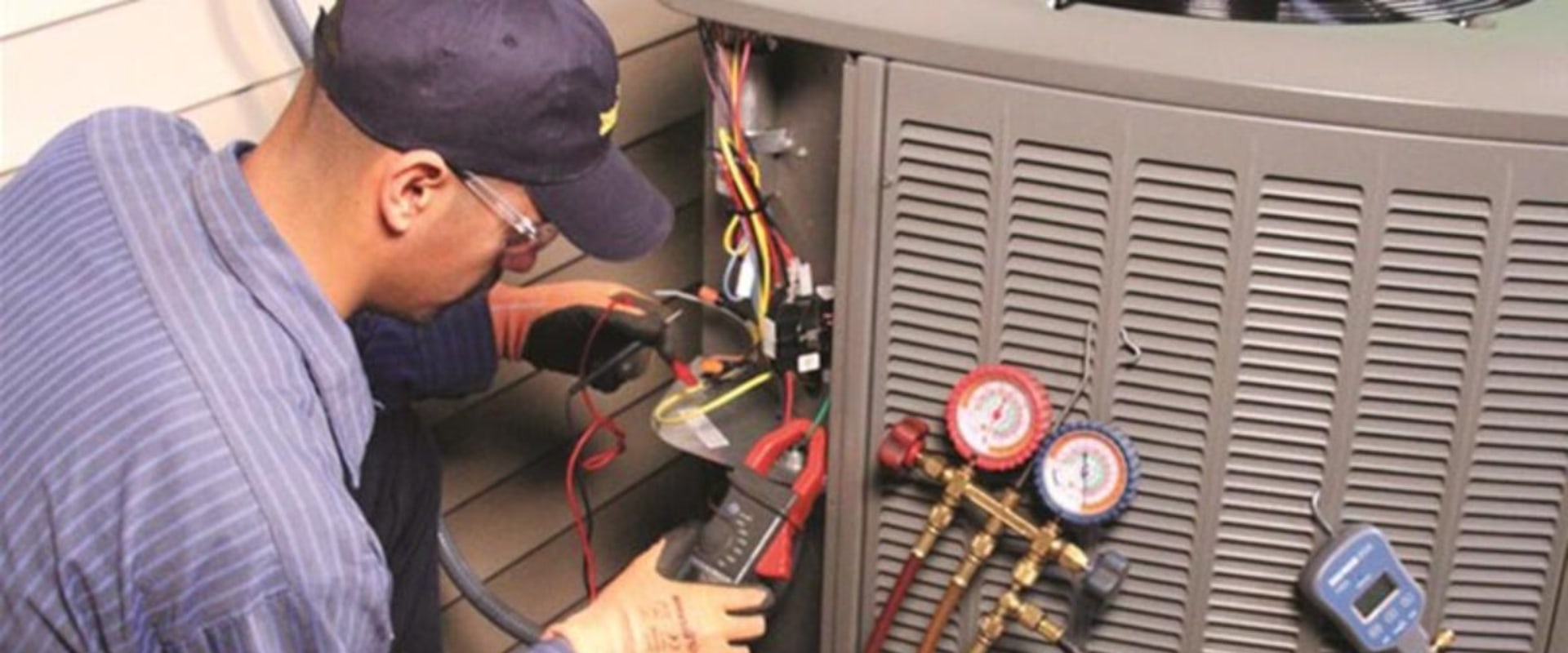
Understanding your HVAC system is crucial for maintaining a comfortable and healthy living environment. HVAC, which stands for heating, ventilation, and air conditioning, encompasses a range of technologies that work together to regulate indoor temperature, humidity, and air quality. This system is not just about keeping your home warm in the winter or cool in the summer; it plays a vital role in ensuring that the air you breathe is clean and safe. A well-functioning HVAC system can significantly enhance your quality of life, making it essential to understand its components and how they operate. At the heart of any HVAC system are its key components: the furnace or heater, the air conditioner, ductwork, and ventilation systems.
The furnace heats the air that is then distributed throughout your home via ducts. Conversely, the air conditioner cools the air and removes humidity, providing relief during hot summer months. Proper ventilation is equally important as it ensures that fresh air circulates within your home while expelling stale air. Understanding how these components interact can help you identify when issues arise and whether air conditioner repair or even a full system replacement is necessary. As homeowners, being proactive about your HVAC system can save you time and money in the long run.
Regular maintenance can extend the lifespan of your equipment and improve its efficiency. However, there comes a time when repairs may no longer be cost-effective, and replacement becomes the more sensible option. Recognizing the signs that indicate your HVAC system may need replacing is essential for avoiding unexpected breakdowns and costly emergency repairs. In this article, we will delve deeper into the factors that influence when to replace your HVAC system. By understanding these elements, you can make informed decisions that ensure your home remains comfortable year-round while optimizing energy efficiency.
Signs That Indicate It's Time for a Replacement
Recognizing the right moment to replace your HVAC system can save you from unexpected discomfort and financial strain.Here are some critical signs that indicate it may be time to consider a replacement:
- Age of the System: One of the most significant indicators is the age of your HVAC unit. Most systems have a lifespan of about 10 to 15 years. If your system is approaching or has surpassed this age, it may be less efficient and more prone to breakdowns.
- Increased Energy Bills: If you notice a sudden spike in your energy bills without any changes in usage, it could be a sign that your HVAC system is struggling to operate efficiently. An older or malfunctioning unit often consumes more energy, leading to higher costs.
- Frequent Repairs: If you find yourself calling for air conditioner repair services multiple times a year, it may be more cost-effective to invest in a new system.
Frequent repairs can add up quickly, and at some point, replacing the unit may be the better financial decision.
- Inconsistent Temperatures: Are certain rooms in your home significantly warmer or cooler than others? This inconsistency can indicate that your HVAC system is failing to distribute air evenly, which may warrant a replacement.
- Noisy Operation: Unusual noises such as banging, clanking, or hissing can signal serious issues within your HVAC system. While some sounds can be repaired, persistent noise problems might suggest that the unit is nearing the end of its life.
- Humidity Issues: An effective HVAC system should regulate humidity levels in your home. If you notice excessive humidity or dryness, it could mean that your system is not functioning properly and may need replacement.
- Frequent Cycling: If your HVAC system turns on and off frequently (a phenomenon known as short cycling), it can indicate that the unit is struggling to maintain the desired temperature. This inefficiency can lead to increased wear and tear on the system.
Addressing these issues sooner rather than later can help ensure your home remains comfortable and energy-efficient.
The Lifespan of HVAC Systems
Understanding the lifespan of HVAC systems is crucial for homeowners looking to maintain comfort and efficiency in their homes. Generally, the average lifespan of an HVAC system can vary significantly based on several factors, including the type of system, usage, and maintenance practices. On average, here’s a breakdown of how long different types of HVAC systems typically last:- Central Air Conditioners: These units usually last between 12 to 15 years. Regular maintenance, such as changing filters and cleaning coils, can help extend their lifespan.
- Furnaces: Gas furnaces can last around 15 to 20 years, while electric furnaces may have a slightly shorter lifespan of about 10 to 15 years. Proper care and timely repairs are essential for maximizing their longevity.
- Heat Pumps: Heat pumps generally have a lifespan of 10 to 15 years.
Their efficiency can be affected by the climate in which they operate, making regular inspections vital.
- Ductless Mini-Split Systems: These systems can last up to 20 years with proper maintenance. Their longevity is often attributed to fewer mechanical components compared to traditional systems.
- Maintenance: Regular maintenance is key. Systems that receive annual check-ups and timely repairs tend to last longer than those that are neglected.
- Usage: The frequency and intensity of use can impact lifespan. Systems that are overworked or used in extreme conditions may wear out faster.
- Installation Quality: A poorly installed system can lead to inefficiencies and premature failure.
Ensuring professional installation is crucial for longevity.
- Environmental Factors: External conditions such as humidity, temperature fluctuations, and exposure to elements can affect the performance and lifespan of HVAC systems.
Cost Considerations: Repair vs. Replacement
When faced with the decision of whether to repair or replace your HVAC system, understanding the cost considerations is crucial. Both options come with their own financial implications, and making an informed choice can save you money in the long run. First, let’s examine the costs associated with HVAC repairs.Minor repairs, such as fixing a refrigerant leak or replacing a faulty thermostat, can be relatively inexpensive, often ranging from $100 to $500. However, as your system ages, the frequency and cost of repairs can increase significantly. If you find yourself spending more than 50% of the cost of a new unit on repairs within a year, it may be time to consider replacement. On the other hand, the cost of replacing an air conditioner can vary widely based on several factors, including the size of your home, the type of system you choose, and installation costs. Generally, homeowners can expect to pay between $3,000 and $7,000 for a new HVAC system.
While this is a substantial upfront investment, it’s essential to consider the long-term savings associated with energy efficiency and reduced repair costs. To help you weigh your options effectively, consider these key factors:
- Age of Your System: If your HVAC unit is over 10 years old and requires frequent repairs, replacement may be more economical.
- Energy Efficiency: Newer models are designed to be more energy-efficient. Upgrading can lead to lower utility bills that offset initial costs over time.
- Comfort Levels: If your system struggles to maintain comfortable temperatures or has inconsistent airflow, investing in a new unit may enhance your home’s comfort.
- Warranty Considerations: New systems often come with warranties that cover parts and labor for several years, providing peace of mind against unexpected expenses.
Energy Efficiency and Environmental Impact
In today's world, the importance of energy efficiency cannot be overstated, especially when it comes to HVAC systems.Older units often operate at significantly lower efficiency levels compared to modern alternatives. This inefficiency not only leads to higher energy bills but also contributes to a larger carbon footprint. By replacing an outdated HVAC system with a newer, more efficient model, homeowners can enjoy substantial savings on their energy costs while also doing their part for the environment. Modern HVAC systems are designed with advanced technology that enhances their energy efficiency. For instance, many new air conditioners utilize variable-speed compressors that adjust their output based on the cooling demand.
This means they can operate at lower speeds for longer periods, consuming less energy while maintaining a comfortable indoor climate. Additionally, systems that are certified by the Energy Star program meet strict energy efficiency guidelines set by the U. S. Environmental Protection Agency (EPA), ensuring that they use less energy without sacrificing performance. The environmental impact of HVAC systems is another critical consideration.
Traditional air conditioning units often rely on refrigerants that can be harmful to the ozone layer and contribute to global warming. Newer models are increasingly using eco-friendly refrigerants that have a much lower global warming potential (GWP). By opting for these advanced systems, homeowners can significantly reduce their environmental impact. Moreover, many modern HVAC systems incorporate features such as smart thermostats and zoning capabilities, which allow for more precise control over heating and cooling. This not only enhances comfort but also minimizes energy waste.
Homeowners can program their systems to operate only when needed, further reducing unnecessary energy consumption. In conclusion, replacing an old HVAC system with a newer, more efficient model is not just a matter of comfort; it is also a crucial step towards achieving greater energy efficiency and reducing environmental impact. By investing in eco-friendly air conditioners and advanced HVAC technology, homeowners can enjoy lower utility bills while contributing positively to the planet's health.
Optimal Timing for Replacement: Seasonal Considerations
When considering the best time to replace your HVAC system, seasonal factors play a crucial role in ensuring both cost-effectiveness and convenience. Timing your replacement can significantly impact your overall experience, from installation to long-term efficiency. Generally, the ideal seasons for replacing an HVAC system are spring and fall. During these transitional periods, temperatures are typically milder, which means homeowners can avoid the discomfort of extreme heat or cold while waiting for their new system to be installed.Here’s why these seasons are particularly advantageous:
- Milder Weather: Replacing your HVAC system in spring or fall allows you to maintain a comfortable indoor environment. This is especially important if your current system is struggling to keep up with temperature demands.
- Lower Demand: HVAC contractors often experience a lull in business during these seasons, leading to more flexible scheduling options and potentially lower labor costs. You may also find better deals on equipment as suppliers look to clear out inventory before peak seasons.
- Time for Adjustments: Installing a new system during milder months gives you the opportunity to test its performance without the pressure of immediate weather extremes. This allows for any necessary adjustments or fine-tuning before the peak heating or cooling seasons arrive.
- Increased Costs: Emergency replacements during peak seasons often come with higher prices due to increased demand for services and materials.
- Disruption: The urgency of needing a functioning system can lead to rushed decisions, potentially resulting in less optimal choices regarding equipment and installation.
- Limited Availability: Contractors may be booked solid during extreme weather periods, making it difficult to schedule timely installations.
By choosing the right time, you not only enhance your comfort but also ensure that you are making a wise investment in your home’s heating and cooling efficiency.
Consulting with Professionals: When to Seek Help
When it comes to making decisions about your HVAC system, consulting with a professional is crucial. HVAC systems are complex, and their performance can be influenced by a variety of factors that may not be immediately apparent to the average homeowner. Here are some key reasons why seeking professional advice is essential:- Expert Assessment: HVAC professionals have the training and experience necessary to accurately assess the condition of your system. They can identify issues that may not be visible, such as hidden leaks or inefficiencies that could be costing you money.
- Informed Recommendations: A qualified technician can provide tailored recommendations based on your specific situation.
Whether it’s a simple repair or a full system replacement, their insights can help you make an informed decision that aligns with your budget and comfort needs.
- Energy Efficiency Insights: Professionals can evaluate your system's energy efficiency and suggest upgrades or replacements that could lead to significant savings on your utility bills. They can also advise on the latest technologies that improve efficiency and reduce environmental impact.
- Frequent Repairs: If you find yourself calling for repairs multiple times a year, it may be more cost-effective to consider a replacement.
- Inconsistent Temperatures: If certain rooms in your home are consistently too hot or too cold, this could indicate an underlying issue with your HVAC system that needs professional evaluation.
- Unusual Noises: Strange sounds coming from your HVAC unit can signal mechanical problems. A professional can diagnose these issues before they escalate into more significant failures.
By seeking expert advice, you can avoid costly mistakes and ensure that your home remains comfortable year-round.
Frequently Asked Questions (FAQs)
Homeowners often have numerous questions regarding their HVAC systems, especially when it comes to air conditioner replacement and maintenance. Below are some of the most frequently asked questions that can help clarify common misconceptions and concerns.What are the signs that my HVAC system needs to be replaced?
Several indicators can suggest it's time for a replacement:- Age of the System: If your HVAC system is over 10-15 years old, it may be less efficient and more prone to breakdowns.
- Increased Energy Bills: A sudden spike in your energy costs can indicate that your system is working harder than it should, often due to inefficiency.
- Frequent Repairs: If you find yourself calling for air conditioner repair more often, it may be more cost-effective to invest in a new unit.
- Inconsistent Temperatures: If certain rooms in your home are too hot or too cold, this could signal a failing system.
How often should I schedule maintenance for my HVAC system?
Regular maintenance is crucial for the longevity and efficiency of your HVAC system. It is generally recommended to schedule professional maintenance at least once a year. This includes:- Cleaning or replacing air filters.
- Checking refrigerant levels.
- Inspecting ductwork for leaks.
- Testing thermostat accuracy.
Can I replace my HVAC system myself?
While some homeowners may feel confident in their DIY skills, replacing an HVAC system is a complex task that requires specialized knowledge and tools.Improper installation can lead to inefficiencies, safety hazards, and voided warranties. It’s advisable to hire a licensed professional who can ensure the job is done correctly and safely.
What should I consider when choosing a new HVAC system?
When selecting a new HVAC system, consider the following factors:- Energy Efficiency: Look for units with high SEER (Seasonal Energy Efficiency Ratio) ratings to save on energy costs.
- Size: Ensure the unit is appropriately sized for your home; an oversized or undersized unit can lead to inefficiency.
- Brand Reputation: Research brands known for reliability and customer service.
- Warranty: Check the warranty options available; a good warranty can provide peace of mind.
Conclusion: Making an Informed Decision on Your HVAC System
In conclusion, determining the right time to replace your HVAC system is a critical decision that can significantly impact your home’s comfort, energy efficiency, and overall costs. Throughout this article, we have explored various factors that influence this decision, emphasizing the importance of being proactive rather than reactive. One of the key takeaways is the lifespan of your HVAC system. Generally, systems older than 10 to 15 years may start showing signs of inefficiency and increased repair needs.If you find yourself frequently scheduling air conditioner repair services, it may be a clear indication that replacement is on the horizon. Additionally, if your system struggles to maintain a comfortable temperature or if your energy bills have seen a significant spike, these are red flags that should not be ignored. Moreover, timing plays a crucial role in the replacement process. The ideal seasons for replacing an HVAC system are typically spring and fall when temperatures are milder. This timing not only minimizes discomfort but also allows for better scheduling with HVAC professionals who may be less busy during these transitional periods. It’s also essential to consider the potential for repairs versus replacement.
While some issues may be resolved with simple fixes, others could indicate deeper problems that warrant a full system replacement. Conducting a cost-benefit analysis can help you weigh the long-term savings of a new unit against the ongoing costs of repairs. Ultimately, making an informed decision about your HVAC system requires careful consideration of its age, performance, and repair history. Consulting with a qualified HVAC technician can provide valuable insights tailored to your specific situation. By taking these steps, you can ensure that you make a timely and effective choice regarding your home’s heating and cooling needs.
More articles
When to Replace Your HVAC System: Key Signs and Considerations
Discover key signs that indicate when it's time to replace your HVAC system and ensure your home remains comfortable and energy-efficient.
When is the Best Time to Replace Your HVAC System? A Comprehensive Guide
Discover when to replace your HVAC system and learn about signs, costs, and energy efficiency for optimal home comfort.
When is the Best Time to Replace Your HVAC System? A Comprehensive Guide
Discover the ideal time to replace your HVAC system and learn about signs, costs, and energy efficiency for better comfort and savings.
The Most Common Air Conditioner Problems and How to Fix Them
Discover the most common air conditioner problems and effective solutions to keep your home cool and comfortable all summer long.