Understanding the Impact of Global Supply Chain and Inflation on HVAC Prices in 2023: A Focus on Air Conditioner Repair
Explore how global supply chain issues and inflation are affecting HVAC prices and air conditioner repair costs in 2023.
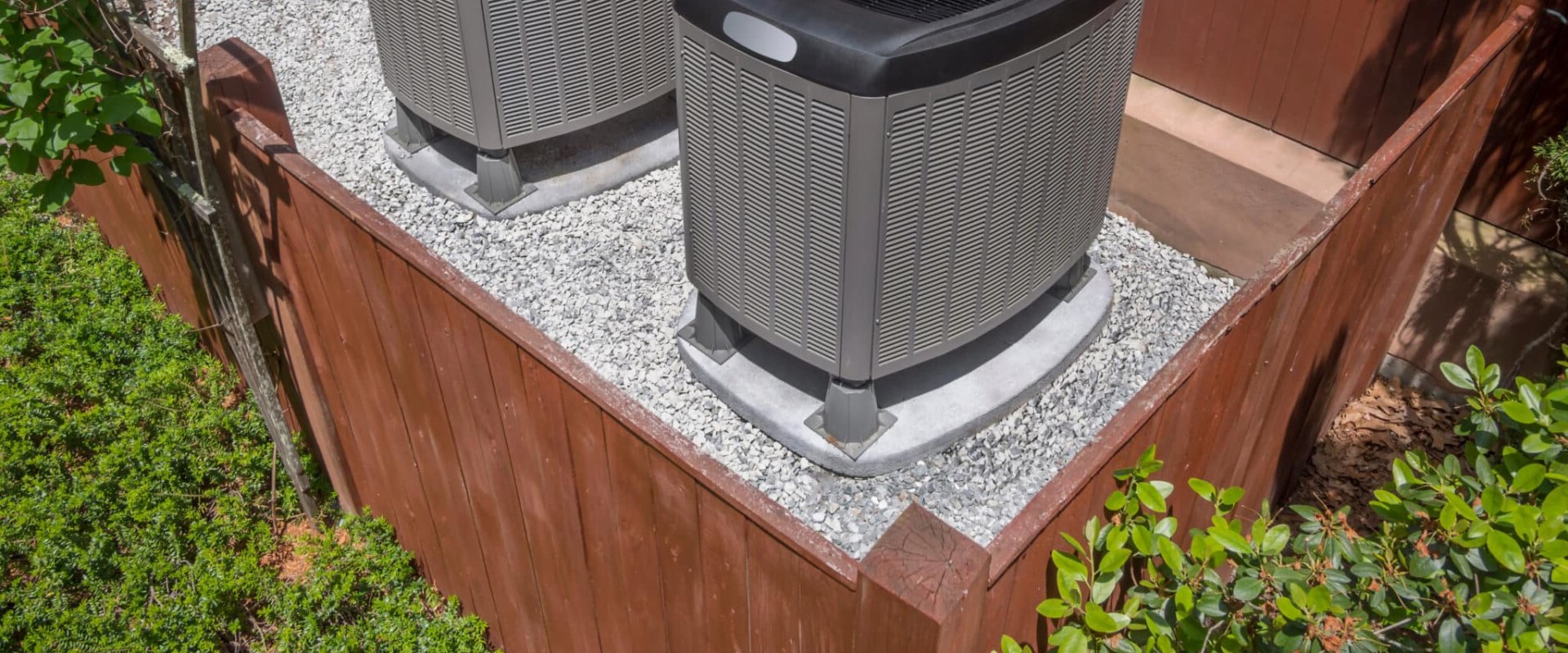
As we navigate through 2023, the HVAC industry is experiencing significant shifts in pricing dynamics, largely influenced by global supply chain disruptions and persistent inflationary pressures. The cost of air conditioning systems and related services, particularly air conditioner repair, has become a focal point for both consumers and industry professionals alike. Understanding these changes is essential for homeowners and businesses looking to maintain comfortable indoor environments without breaking the bank. The ongoing challenges in the global supply chain have led to increased costs for raw materials and components essential for HVAC systems. Manufacturers are grappling with delays and shortages that not only affect production timelines but also drive up prices.
As a result, consumers may find themselves facing higher costs for new installations and repairs, making it crucial to stay informed about the factors influencing these price hikes. Moreover, inflation continues to impact various sectors, including HVAC. The rising costs of labor, transportation, and materials mean that service providers may need to adjust their pricing structures to remain viable. This situation creates a ripple effect that can lead to increased expenses for air conditioner repair services as well. Homeowners must be prepared for these changes and consider how they might affect their budgets when seeking HVAC solutions. In this article, we will delve deeper into the intricate relationship between global supply chain issues, inflation, and HVAC pricing in 2023. By exploring these dynamics, we aim to equip readers with the knowledge they need to make informed decisions regarding their heating and cooling needs in an ever-evolving economic landscape.
The Current State of the Global Supply Chain
The global supply chain has been under significant strain in 2023, affecting various industries, including HVAC.The challenges faced by the HVAC sector are multifaceted, stemming from a combination of geopolitical tensions, natural disasters, and ongoing repercussions from the COVID-19 pandemic. These factors have led to widespread supply chain disruptions , which in turn have impacted the availability and pricing of essential components. One of the primary issues is the shortage of raw materials. Many HVAC manufacturers rely on specific metals and plastics that have become increasingly difficult to source. For instance, copper, a critical component in air conditioning units, has seen fluctuating prices due to mining disruptions and increased demand from other sectors.
This scarcity not only drives up costs but also leads to delays in production schedules. Additionally, transportation bottlenecks continue to plague the industry. Shipping delays caused by port congestion and a shortage of shipping containers have made it challenging for manufacturers to receive necessary parts on time. As a result, HVAC companies are often forced to adjust their production timelines, leading to longer wait times for consumers needing air conditioner repair or replacement. Moreover, labor shortages have compounded these issues. Many factories are operating below capacity due to a lack of skilled workers, which further slows down production rates.
This situation is particularly concerning for HVAC companies that require specialized technicians for assembly and quality control. In response to these challenges, many HVAC manufacturers are reevaluating their supply chain strategies. Some are looking to diversify their supplier base to mitigate risks associated with relying on a single source. Others are investing in local manufacturing capabilities to reduce dependency on international suppliers. As we move further into 2023, it is crucial for consumers and businesses alike to understand how these global supply chain issues affect not only the availability of HVAC products but also the overall cost of services such as air conditioner repair. Awareness of these dynamics can help consumers make informed decisions when it comes to maintaining their heating and cooling systems.
Inflation and Its Effects on HVAC Prices
Inflation has emerged as a significant factor affecting various sectors of the economy, and the HVAC industry is no exception.As we navigate through 2023, the rising costs associated with inflation are directly impacting air conditioner repair prices, making it crucial for both consumers and industry professionals to understand these trends. One of the primary ways inflation influences HVAC prices is through increased costs of materials and components. Manufacturers are facing higher expenses for essential parts such as compressors, coils, and refrigerants. For instance, the price of R-410A refrigerant has seen notable increases due to supply chain disruptions and heightened demand. These rising costs are often passed down to consumers, leading to higher repair bills for air conditioning systems. Moreover, labor costs have also surged in response to inflation.
Skilled technicians who perform air conditioner repair are in high demand, and as their wages increase, service providers may adjust their pricing structures accordingly. This means that homeowners may find themselves paying more not only for parts but also for the labor involved in repairs. In addition to direct costs, inflation can lead to a decrease in consumer spending power. As prices rise across the board, households may prioritize essential expenses over discretionary spending. This shift can result in delayed maintenance or repairs for HVAC systems, potentially leading to more significant issues down the line.
Homeowners might opt for temporary fixes rather than comprehensive repairs, which can ultimately lead to higher costs in the long run. To navigate these challenges, it is essential for consumers to stay informed about inflation trends and their implications on HVAC pricing. Regular maintenance of air conditioning systems can help mitigate some of these costs by ensuring that units operate efficiently and reducing the likelihood of costly repairs. Additionally, exploring financing options or service plans offered by HVAC companies can provide some relief against rising prices. In conclusion, understanding the impact of inflation on HVAC prices is vital for making informed decisions regarding air conditioner repair. By being proactive and aware of these economic factors, consumers can better manage their HVAC needs while minimizing financial strain.
Key Factors Driving Price Increases in Air Conditioner Repair
As the HVAC industry grapples with the repercussions of global supply chain disruptions and inflation, several key factors are driving the rising costs associated with air conditioner repair.Understanding these elements can help homeowners and businesses prepare for potential expenses and make informed decisions regarding their HVAC systems.
Parts Shortages
One of the most significant contributors to increased repair costs is the ongoing shortage of essential parts. The pandemic has disrupted manufacturing processes worldwide, leading to delays in production and shipping. Components such as compressors, capacitors, and circuit boards are often in short supply, which forces repair technicians to pay a premium for these items. As demand outstrips supply, prices inevitably rise, impacting the overall cost of air conditioner repair.Labor Costs
Another critical factor influencing HVAC pricing is the rising cost of labor.Skilled technicians are in high demand, and many companies are struggling to find qualified personnel. This shortage has led to increased wages as businesses compete for talent. Consequently, higher labor costs are passed on to consumers, resulting in elevated prices for air conditioner repair services.
Inflationary Pressures
The broader economic landscape also plays a role in HVAC pricing. Inflation has surged in recent years, affecting everything from fuel prices to raw materials.As operational costs rise for HVAC companies, they must adjust their pricing structures accordingly. This means that even routine repairs may come with a higher price tag as businesses strive to maintain profitability amidst rising expenses.
Technological Advancements
While advancements in technology can lead to more efficient systems, they can also contribute to increased repair costs. Modern air conditioning units often incorporate sophisticated components that require specialized knowledge and tools for repairs. As a result, technicians may charge more for repairs on newer models compared to older systems due to the complexity involved. In summary, the rising costs associated with air conditioner repair can be attributed to a combination of parts shortages, labor market challenges, inflationary pressures, and technological advancements.Homeowners should stay informed about these factors to better anticipate potential expenses and make proactive decisions regarding their HVAC systems.
The Role of Refrigerants in Pricing Changes
The cost of refrigerants, particularly R-410A , has become a significant factor influencing HVAC pricing in 2023. As manufacturers face rising expenses associated with the production and distribution of these essential cooling agents, consumers are likely to see a direct impact on their air conditioning systems' prices. In recent years, the HVAC industry has been grappling with fluctuating refrigerant costs due to various factors, including supply chain disruptions and regulatory changes. The Environmental Protection Agency (EPA) has implemented stricter regulations aimed at reducing the environmental impact of refrigerants, which has led to increased production costs. These regulations often require manufacturers to invest in new technologies and processes to comply, further driving up prices. For instance, R-410A, a widely used refrigerant known for its efficiency and lower ozone depletion potential compared to older alternatives like R-22, has seen significant price hikes. As supplies dwindle and demand remains steady, HVAC companies are forced to pass these costs onto consumers.This situation is exacerbated by the ongoing inflationary pressures affecting various sectors of the economy. Moreover, the transition towards more environmentally friendly refrigerants is also influencing pricing strategies. As manufacturers begin to phase out R-410A in favor of newer options like R-32 or other low-GWP (Global Warming Potential) refrigerants, the market dynamics are shifting. While these alternatives may offer better environmental profiles, their initial costs can be higher, contributing to overall increases in HVAC system prices. Consumers looking for air conditioner repair or replacement should be aware of these trends. Understanding how refrigerant costs affect overall pricing can help homeowners make informed decisions when investing in new HVAC systems or repairs.
It is advisable to consult with certified HVAC professionals who can provide insights into the best options available while considering both performance and cost-effectiveness. In summary, the interplay between refrigerant costs, regulatory changes, and market dynamics plays a crucial role in shaping HVAC pricing in 2023. As the industry adapts to these challenges, consumers must stay informed about how these factors may influence their air conditioning needs.
Consumer Strategies for Managing Rising Repair Costs
As the costs associated with air conditioner repair continue to rise due to inflation and supply chain disruptions, consumers are seeking effective strategies to manage these expenses. Here are some practical tips to help you save on air conditioner repair and maintain your HVAC system efficiently.- Regular Maintenance: One of the most effective ways to prevent costly repairs is through regular maintenance. Schedule annual check-ups with a qualified HVAC technician to ensure your system is running efficiently. This can help identify potential issues before they escalate into major problems.
- DIY Troubleshooting: Familiarize yourself with basic troubleshooting techniques.
Simple tasks such as cleaning or replacing air filters, checking thermostat settings, and ensuring vents are unobstructed can significantly improve your system's performance and longevity.
- Energy Efficiency Upgrades: Consider investing in energy-efficient upgrades for your HVAC system. While this may require an upfront investment, energy-efficient models can lead to substantial savings on utility bills and reduce the frequency of repairs.
- Utilize Warranty Coverage: If your air conditioning unit is still under warranty, make sure to take advantage of it. Many manufacturers offer warranties that cover specific repairs or parts, which can alleviate some financial burdens.
- Shop Around for Quotes: When repairs are necessary, don’t hesitate to get multiple quotes from different HVAC service providers. Prices can vary significantly, and comparing estimates can help you find the best deal without compromising on quality.
- Consider a Service Plan: Some HVAC companies offer service plans that include regular maintenance and discounts on repairs.
These plans can provide peace of mind and help you budget for future expenses.
- Stay Informed: Keep yourself updated on the latest trends in HVAC technology and repair techniques. Understanding your system better can empower you to make informed decisions about repairs and upgrades.
Future Outlook: What to Expect in the Coming Years
As we look ahead to the coming years, the HVAC industry is poised for significant changes driven by ongoing global supply chain challenges and inflationary pressures. Understanding these trends is crucial for homeowners and businesses alike, especially when considering air conditioner repair and maintenance costs.Future HVAC Pricing Trends
In 2024 and beyond, we can expect HVAC pricing to remain volatile.
Manufacturers are likely to continue adjusting their prices in response to fluctuating costs of raw materials and components. The anticipated rise in the cost of refrigerants, particularly R-410A, will play a pivotal role in shaping these price adjustments. As companies strive to maintain profitability while delivering quality products, consumers may see a gradual increase in the overall cost of HVAC systems and services. Moreover, the demand for energy-efficient systems is expected to grow. As more consumers prioritize sustainability, manufacturers will invest in innovative technologies that may initially come with a higher price tag but offer long-term savings on energy bills.
This shift could lead to a bifurcation in the market where premium products command higher prices while basic models remain more affordable.
Air Conditioner Repair Outlook for 2024
The outlook for air conditioner repair services in 2024 suggests an increase in demand as older systems struggle to cope with rising temperatures and changing environmental regulations. Homeowners may find themselves needing repairs more frequently as they delay replacements due to high upfront costs. This trend could lead to a surge in service calls, particularly during peak summer months.
Additionally, as parts become harder to source due to supply chain disruptions, repair times may lengthen, prompting consumers to consider preventive maintenance plans. Investing in regular check-ups can help extend the lifespan of existing units and mitigate costly repairs down the line.
Supply Chain Predictions for HVAC
The future of the HVAC supply chain is likely to be characterized by increased localization and diversification of suppliers.
Companies are expected to seek out domestic sources for critical components to reduce dependency on international shipping routes that have proven unreliable during recent crises. This shift could enhance resilience against future disruptions but may also lead to higher production costs initially. In conclusion, while the HVAC industry faces challenges ahead, proactive planning and adaptation will be key for both manufacturers and consumers. By staying informed about pricing trends and investing in maintenance, homeowners can navigate these changes effectively.
Conclusion: Navigating the Challenges of HVAC Pricing in 2023
As we reflect on the complexities surrounding HVAC pricing in 2023, it becomes evident that the interplay of global supply chain disruptions and inflationary pressures has created a challenging landscape for both consumers and industry professionals. Understanding these dynamics is crucial for making informed decisions regarding air conditioner repair and maintenance. The ongoing global supply chain issues have led to significant delays and increased costs for essential components, including refrigerants and other materials necessary for HVAC systems.This situation has not only affected manufacturers but has also trickled down to service providers and ultimately to consumers. As prices rise, homeowners may find themselves facing higher costs for repairs and replacements, making it essential to stay informed about market trends. Moreover, inflation has exacerbated these challenges, impacting everything from labor costs to the price of replacement parts. As companies strive to maintain profitability amidst these rising expenses, consumers may experience a direct correlation in the form of increased service fees and product prices. It is vital for homeowners to recognize that these price hikes are not merely arbitrary but are reflective of broader economic conditions. In navigating this landscape, consumers should consider several strategies:
- Regular Maintenance: Investing in routine maintenance can extend the lifespan of HVAC systems, potentially reducing the need for costly repairs.
- Energy Efficiency: Upgrading to energy-efficient models can lead to long-term savings on utility bills, offsetting some of the initial investment costs.
- Research and Compare: Taking the time to research different service providers and their pricing structures can help consumers find the best value for their needs.
By understanding these factors and making informed choices, homeowners can better navigate the complexities of HVAC pricing in 2023 and beyond.
More articles
When is the Best Time to Replace Your HVAC System? A Comprehensive Guide
Discover when to replace your HVAC system and learn about signs, costs, and energy efficiency for optimal home comfort.
When is it Time to Replace Your HVAC System?
As an HVAC expert, I have seen countless homeowners struggle with the decision of when to replace their heating and cooling system. It's a big investment, but waiting too long can end up costing you more in the long run. So how do you know when it's time to say goo
Is It Time to Replace Your 15-Year-Old HVAC System? A Comprehensive Guide
Is your HVAC system over 15 years old? Discover signs it's time for a replacement and the benefits of modern energy-efficient units.
Essential Tips to Extend the Lifespan of Your Residential HVAC System
Discover essential tips to maximize the lifespan of your HVAC system and reduce air conditioner repair costs. Keep your home comfortable year-round.